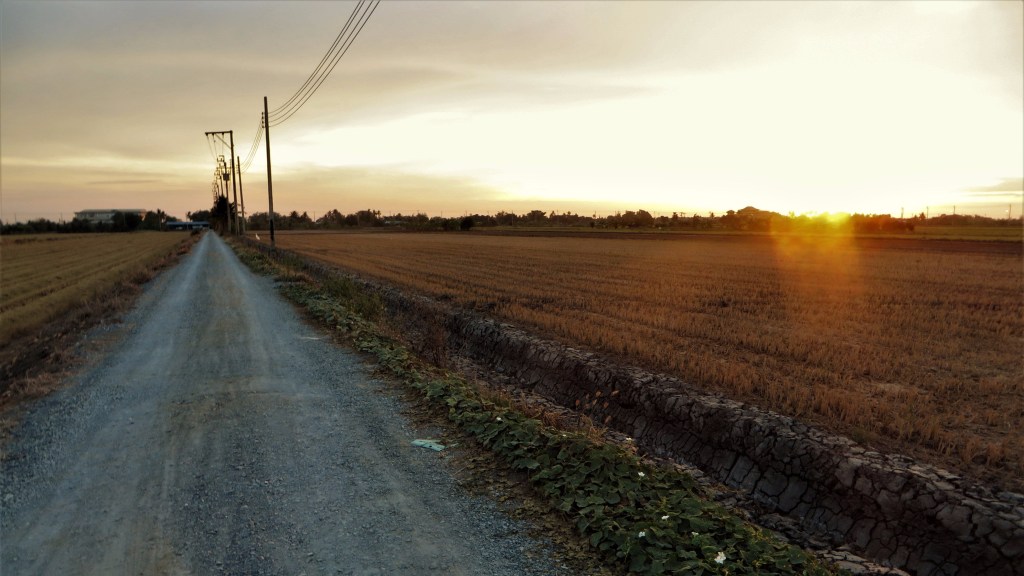
(1) maddavena cakkhunā lokaṃ anulokento tattha tattha acariṃ. yaṃ yaṃ padesaṃ abhajaṃ tattha tattha mama vicitrabimbāni pāturahaṃsu ramaṇiyāni sātāni pasādāyanāni tesaṃ bimbānaṃ cittāni aggahesiṃ. etāni cittitāni ramaṇiyāni sātāni pasādāyanāni bimbāni ahañca kho viloketvā etāni cittitāni ramaṇiyāni sātāni pasādāyanāni bimbāni anupassitvā etāni cittitāni ramaṇiyāni sātāni pasādāyanāni bimbāni paccavekkhitvā samanumodāmi. tasmā kāyacittapaṭippasaddhiṃ labbhatukāmo ekakassa rukkhassa mūlaṃ gato tattha sesiṃ. yadā eva tena pabhāsena tappitāni cakkhūni pidahiṃ atha tāni abhirūpabimbāni akāsaṃ adhipatanti.
Looking at the world with a gentle eye, I wandered here and there. In any place I stayed, various images appeared to me, and I took pictures of those images, delightful, pleasant, leading to serenity. Having observed those various images, delightful, pleasant, leading to serenity, having contemplated those various images, delightful, pleasant, leading to serenity, having inspected those various images, delightful, pleasant, leading to serenity, I rejoiced in them. Then, desiring to attain the relaxation of body and mind, I reached the feet of a solitary tree and lied there. As soon as I closed the eyes satiated with that splendour, those beautiful images flew to the sky.
Guardando il mondo con occhio delicato, vagai a destra e a manca. In qualsiasi luogo mi trovassi, mi apparivano varie immagini, e scattai foto di queste immagini deliziose, piacevoli, foriere di serenità. Dopo aver osservato queste varie immagini, deliziose, piacevoli, foriere di serenità, dopo aver contemplato queste varie immagini, deliziose, piacevoli, foriere di serenità, dopo aver esaminato queste varie immagini, deliziose, piacevoli, foriere di serenità, ne gioii. Dopodiché, desiderando ottenere il rilassamento del corpo e della mente, giunto ai piedi di un albero solitario, mi distesi lì. Non appena chiusi gli occhi sazi di quello splendore, quelle immagini bellissime volarono nel cielo.
(2) ākāse va sakuntānaṃ gati tesaṃ durannayāti dhammapade vuttaṃ. aho vata apārutā pañjarā hontu tāni abhirūpabimbāni muccantu. yāni abbaddhāni tāni bahukunnajjo ca bahussotāni ca bahunajjo ca bahupokkharaṇiyo ca bahumahāsare ca bahupadese ca bahusamudde ca tarissanti. yāni pana bimbāni upādānayuttāni micchūpadhāritāni tasmā upādānena gahitāni tāni eva pisīyanti tāni mīyanti vikkhitāni aṭṭhīni anatthapariyesanamhi honti.
“…and like the track of birds in the sky, [the arahants’path] is difficult to detect.” This is said in the Dhammapada. So, let the cages be open, let those beautiful images be free! Once unfettered, they will cross many rivulets, streams, rivers, ponds, great lakes, regions, and oceans. On the contrary, those images who are wrongly considered as suitable for clinging and thereby grasped by clinging, they indeed perish, they die, they become scattered bones along an unprofitable quest.
“…e come la rotta degli uccelli nel cielo, così [il sentiero degli arahant] è arduo da rinvenire”, è detto nel Dhammapada. Che dunque si aprano le gabbie, si liberino quelle bellissime immagini! Slegate, attraverseranno molti rivoli, torrenti, fiumi, stagni, grandi laghi, regioni, oceani. Quelle immagini, invece, che sono erroneamente considerate idonee all’attaccamento e quindi afferrate con attaccamento, in realtà si distruggono, muoiono, divengono ossa sparse lungo un’inutile ricerca.
(3) yo maddavena cetasā satte anuloketi so yebhuyyena gambhīrasukhaṃ abhinandati tassa sukhañca bahupuggalānaṃ sukhaṃ hoti kira sukhañhi ajjhattabahiddā attharati. tena kāraṇena sabbehi manussehi mamāyitabbā rakkhitabbā anuddayatā bhavetabbā anuddayatā. ye manussā anudayataṃ mamāyanti anudayataṃ rakkhanti te vijjañca araṇañca labhissanti. tasmā pariggahitā yena me paricchedā so mama paricchede vitaritukāmo.
One who looks at beings with a gentle heart usually enjoys profound happiness, and his happiness becomes the happiness of many individuals, because happiness truly spreads internally and externally. For this reason, every human being should cherish, protect, and cultivate kind empathy. Those human beings who cherish kind empathy, who protect kind empathy, who cultivate kind empathy, will attain knowledge and peace. Therefore, I embrace my limitations, desiring to overcome my limitations.
Chi guarda gli esseri con un cuore delicato, in genere prova una profonda felicità, e la sua felicità diventa la felicità di molti individui, poiché si sa che la felicità si diffonde internamente ed esternamente. Per questo motivo, ogni essere umano dovrebbe prendere a cuore e proteggere la gentile empatia. Quegli esseri umani che prendono a cuore la gentile empatia, che proteggono la gentile empatia, che coltivano la gentile empatia, otterranno conoscenza e pace. Perciò accolgo i miei limiti, con il desiderio di superare i miei limiti.
(4) iti rāhulovāde vuttaṃ seyyathāpi pañcadhātuyo na kiñcanameva jigucchanti evameva kho cittena manāpāmanāpaṃ na jigucchitabbanti. tasmā mama cittaṃ dhammānaṃ anupassanāya paṭiyādemi pabbatakūṭe pasanno nisidissāmi avalokento cāganajjo tasitāni araññāni paridhovantiyo. yaṃ bhayaṃ mihitehi parisiñcissāmi taṃ bhayaṃ saṇikaṃ anupubbena kho antarahitam bhavissati.
It is said in the Mahārāhulovādasutta that just like the five elements do not despise anything whatsoever, likewise the mind should not despise the pleasant and the unpleasant. Therefore, I prepare my mind to the contemplation of the things; I will sit serene on the peak of a mountain looking down at generous rivers washing thirsty forests. I will bathe fear with smiles, and fear will gently and gradually disappear.
È detto nel Mahārāhulovādasutta che come i cinque elementi non disprezzano nulla, così la mente non dovrebbe disprezzare il piacevole e lo spiacevole. Perciò dispongo la mia mente alla contemplazione delle cose; mi siederò sereno sul picco di una montagna guardando giù i fiumi generosi lavare foreste assetate. Bagnerò la paura con sorrisi, e la paura dolcemente, poco a poco, sparirà.
 vicitrabimba