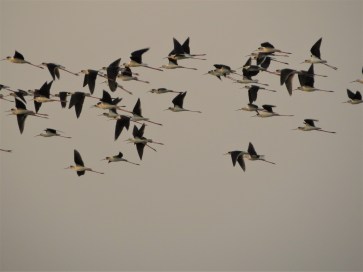
ākāse va sakuntānaṃ gati tesaṃ durannayāti dhammapade vuttaṃ. aho vata apārutā pañjarā hontu tāni abhirūpabimbāni muccantu. yāni abbaddhāni tāni bahukunnajjo ca bahussotāni ca bahunajjo ca bahupokkharaṇiyo ca bahumahāsare ca bahupadese ca bahusamudde ca tarissanti. yāni pana bimbāni upādānayuttāni micchūpadhāritāni tasmā upādānena gahitāni tāni eva pisīyanti tāni mīyanti vikkhitāni aṭṭhīni anatthapariyesanamhi honti.
“…and like the track of birds in the sky, [the arahants’path] is difficult to detect.” This is said in the Dhammapada. So, let the cages be open, let those beautiful images be free! Once unfettered, they will cross many rivulets, streams, rivers, ponds, great lakes, regions, and oceans. On the contrary, those images who are wrongly considered as suitable for clinging and thereby grasped by clinging, they indeed perish, they die, they become scattered bones along an unprofitable quest.
“…e come la rotta degli uccelli nel cielo, così [il sentiero degli arahant] è arduo da rinvenire”, è detto nel Dhammapada. Che dunque si aprano le gabbie, si liberino quelle bellissime immagini! Slegate, attraverseranno molti rivoli, torrenti, fiumi, stagni, grandi laghi, regioni, oceani. Quelle immagini, invece, che sono erroneamente considerate idonee all’attaccamento e quindi afferrate con attaccamento, in realtà si distruggono, muoiono, divengono ossa sparse lungo un’inutile ricerca.
 vicitrabimba